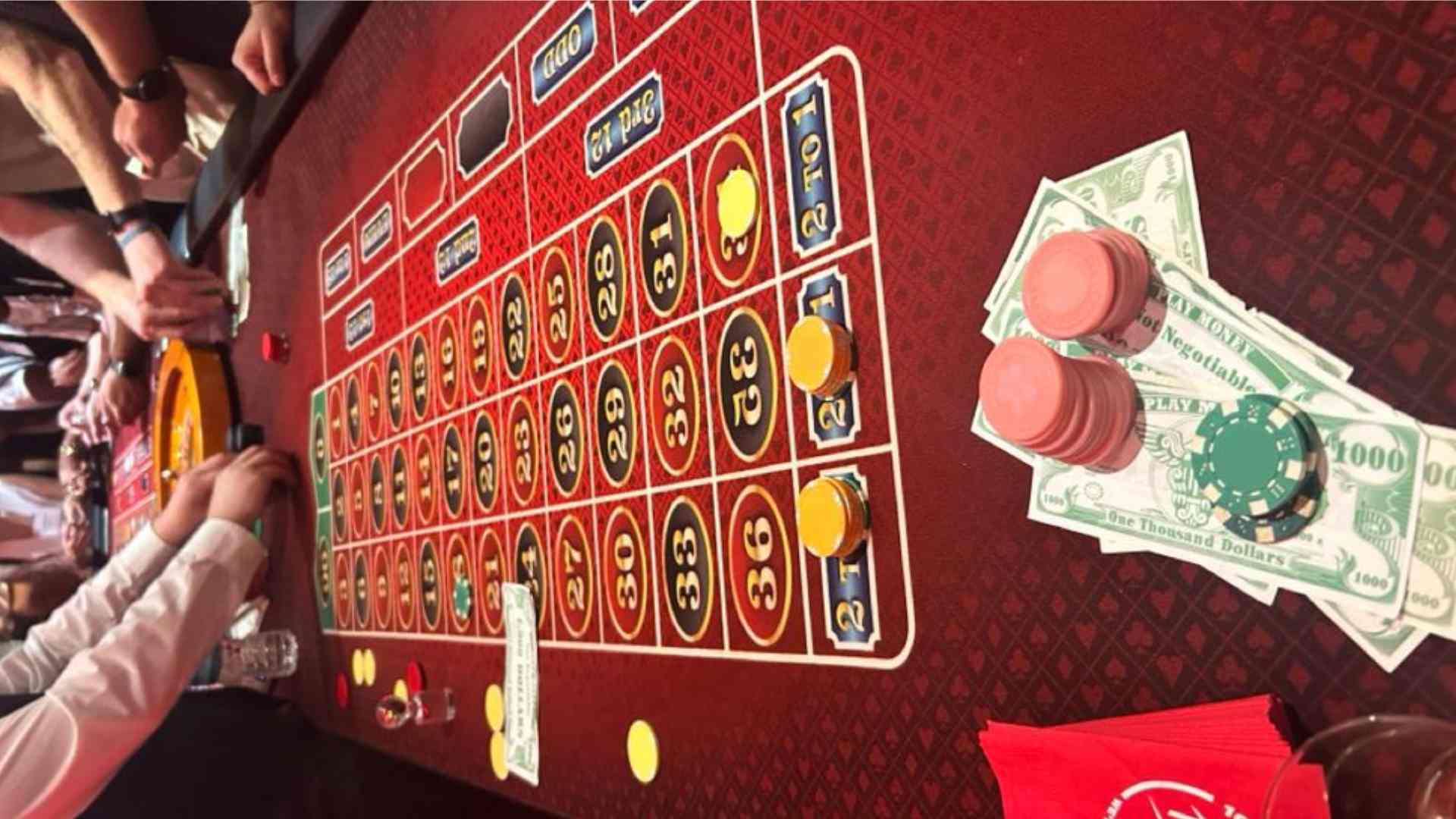
Modern system design frequently incorporates dynamic reward mechanics to hold user focus and drive long-term interest. By shifting away from static outcomes, platforms create an environment where anticipation naturally heightens participation. Understanding how variable benefits interact with human psychology reveals why chance plays such a foundational role in user retention.
The Psychology of Unpredictable Outcomes
Human cognition responds strongly to unexpected incentives because the uncertainty triggers heightened curiosity. When an individual cannot predict the precise outcome of an action, their brain remains actively invested in the process. This dynamic creates a powerful feedback loop that keeps users returning to test their luck again.
Behavioral research demonstrates that intermittent reinforcement generates higher engagement than fixed schedules. If a system delivers identical rewards every time, the experience quickly becomes routine and uninspiring. Introducing dynamic variations transforms everyday interactions into memorable and exciting events.
Designing Balanced Incentive Models
Creating an effective reward system requires a delicate balance between probability and meaningful satisfaction. System designers must ensure that basic objectives remain achievable while offering occasional surprise advantages. This structure maintains user motivation without causing undue fatigue or disappointment.
When implementing these features in digital platforms, transparency regarding underlying mechanics builds user confidence. Enthusiasts exploring digital platforms often look for options like boss29 slot to see how variable prize mechanics operate in real-time. Thoughtfully structured systems ensure that participants feel valued regardless of the immediate outcome.
Enhancing Replay Value Through Chance
Unpredictability is a key driver of replayability across various interactive digital environments. By introducing randomized elements, developers ensure that no two sessions feel entirely identical. This constant sense of discovery encourages users to explore new strategies and maintain their involvement over time.
Furthermore, chance-based rewards prevent core activities from feeling repetitive or monotonous. When routine tasks offer the potential for unique perks, participants approach them with renewed enthusiasm. Consequently, platforms see higher daily active usage and stronger community interaction.
Promoting Responsible System Architecture
While variable rewards are effective for boosting engagement, responsible design practices are necessary for long-term sustainability. Systems should incorporate protective measures to preserve fairness and ensure user safety. Establishing clear boundaries prevents player burnout and fosters a healthiest digital ecosystem.
Ethical frameworks encourage developers to combine chance mechanics with clear progression goals. When users perceive that their time is respected, their connection to the platform becomes far more durable. Striking this balance remains the ultimate goal for modern interactive media designers.