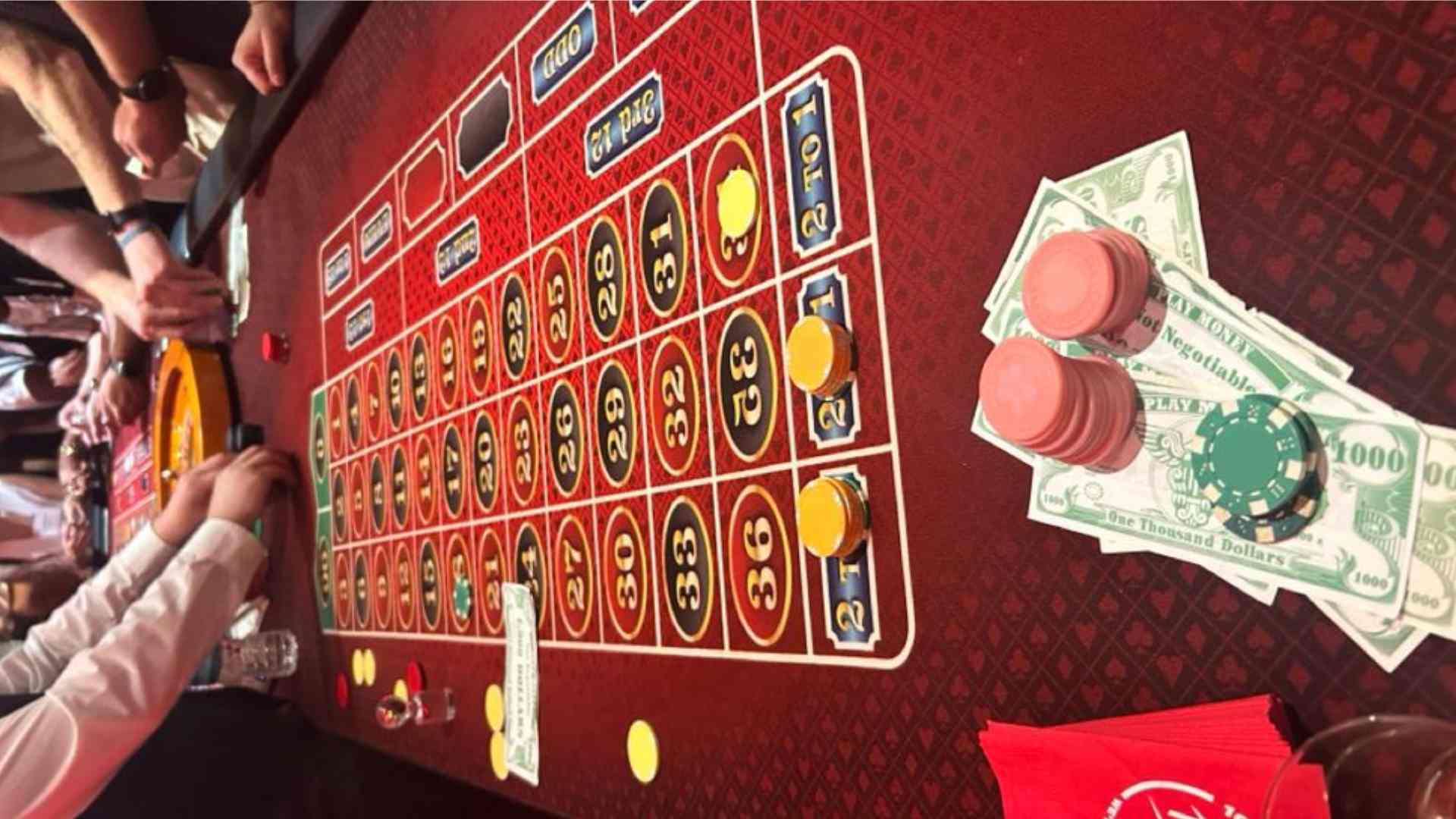
The human brain is naturally captivated by uncertainty, finding a unique sense of excitement when a final outcome remains unknown. Whether waiting for a mechanical wheel to slow down or watching a loading screen reveal a mystery prize, the period of delay triggers complex neurological responses. This micro-moment of suspense often holds more emotional value than the actual reward itself.
The Dopamine Driven Mechanics of Suspense
Neuroscience demonstrates that the brain releases higher levels of dopamine during the anticipation of a reward rather than its actual receipt. When an individual experiences an unpredictable delay, the uncertainty amplifies this chemical release, creating a powerful feeling of focused excitement. This psychological loop explains why casual games and random selection mechanics are so inherently engaging for audiences.
Furthermore, this emotional peak relies heavily on the duration of the wait. If the transition happens too quickly, the mind lacks the time to build genuine curiosity or dramatic tension. By stretching out those final seconds, creators maximize player engagement and make the eventual reveal feel far more impactful.
The Universal Appeal of Simple Selection Loops
Unlike complex strategy titles that require intense mental focus, interactive designs centered around chance provide immediate relaxation and accessibility. Users enjoy the straightforward nature of watching a digital system choose an outcome without needing to follow elaborate rules. This simplicity allows the mind to focus entirely on the emotional thrill of the unfolding moment.
Many leading entertainment platforms integrate these exact behavioral insights directly into their casual portfolios to maintain consumer interest. For example, individuals seeking straightforward interactive experiences often look for a secure m88 login to access diverse games built around randomized outcomes. This smooth blend of simple mechanics and visual feedback ensures long-term audience retention across different demographics.
How Visual Cues and Pacing Heighten Tension
The structural layout of a random selection interface plays a critical role in shaping how a participant handles the period of waiting. Displaying all potential options simultaneously keeps users fully aware of the distinct possibilities, heightening their situational awareness. This constant transparency sparks a natural desire to discover where the final indicator will rest.
Audio-visual cues like ticking sounds, gradual deceleration, and flashes of color further amplify this psychological reaction. Each minor sensory modification alters the emotional mood, transforming a basic digital turn into a highly memorable event. Consequently, developers spend significant effort tuning the precise pacing of these revealing moments.
The Long Term Influence of Unexpected Outcomes
Ultimately, the human fascination with rotational motion and random discovery spans centuries, moving seamlessly from physical fairgrounds into modern software. Providing a healthy variety of potential reward tiers prevents the gameplay from feeling repetitive or predictable over multiple sessions. When every spin offers a completely fresh mystery, the underlying loop remains constantly engaging.
As digital media continues to progress, the balance between clear mechanics and emotional suspense will remain a foundational pillar of casual design. Striking the right equilibrium ensures that the process of waiting stays rewarding and genuinely fun. By understanding these deep behavioral patterns, platforms can continue to design interactive experiences that captivate the human mind.