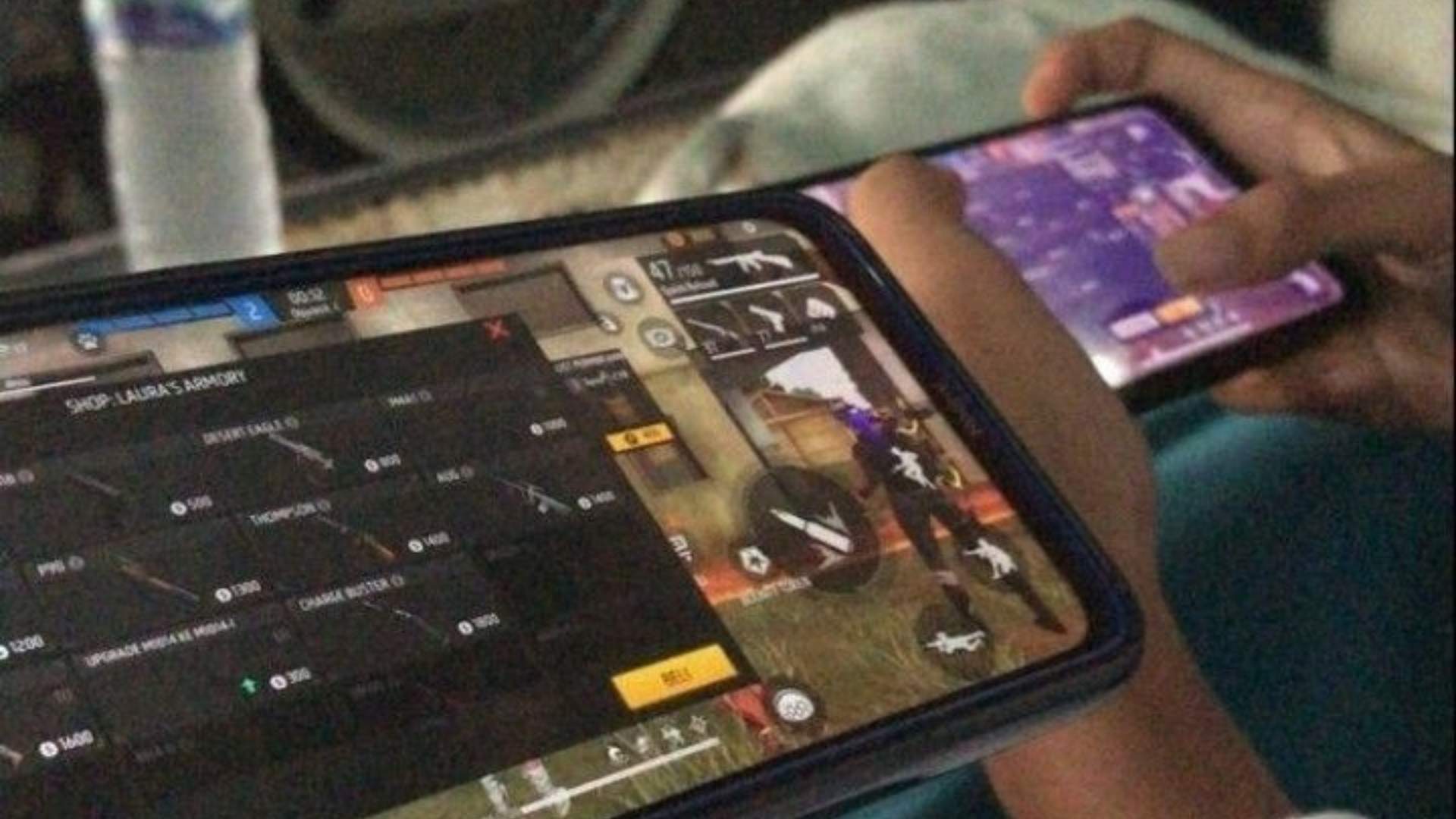
The modern digital card room landscape demands that software operate seamlessly across multiple hardware systems and operating environments. Selecting a suitable platform for virtual card games requires a close look at how the application manages live data and graphics while remaining easy to use. Evaluating these components systematically helps ensure that players can enjoy their sessions without encountering unnecessary operational barriers.
Defining Accessibility in Gaming Software
True accessibility means that a program accommodates various hardware configurations, screen layouts, and user preferences efficiently. This is especially true for players transitioning between laptops, smartphones, and tablets during their regular routines. High-quality client builds provide robust synchronization capabilities that ensure player settings remain consistent across all physical devices.
Furthermore, responsive design allows a platform to scale its visual elements without draining critical processing power or reducing clarity. When a gaming interface adjusts properly to different viewports, crucial information like blind levels and chip stacks remains clearly legible. This prevents cognitive overload and allows participants to focus fully on their fundamental game execution.
The Value of Everyday Convenience
Convenience dictates how quickly an individual can initialize a session, navigate multi-tiered lobbies, and manage active tables. Platforms that prioritize streamlined menu structures and intuitive filters naturally help users find their preferred stakes without unnecessary friction. This level of design saves time and minimizes the mental fatigue associated with complex configurations.
When assessing these digital spaces, utilizing a secure m88 link allows enthusiasts to discover highly functional platforms that balance processing efficiency with daily operational ease. Evaluating the layout of account management tools ensures that deposits, withdrawals, and history checks are straightforward. A balanced interface establishes a supportive environment for both casual enthusiasts and dedicated participants.
Evaluating Long Term Functional Tools
Advanced features such as customizable keyboard hotkeys and automated layout adjustments significantly alter the quality of long gaming sessions. These tools allow serious players to organize multiple tables simultaneously while keeping physical strain to a absolute minimum. Minimizing repetitive tasks within the client build directly translates into better tactical focus during critical decision windows.
Ultimately, regular system updates play an essential role in maintaining long-term usability and optimal server connection stability. Software development teams must constantly refine their background processes to prevent sudden disconnects during high-traffic periods. Choosing a program backed by consistent developer support guarantees a more reliable and secure environment for future play.