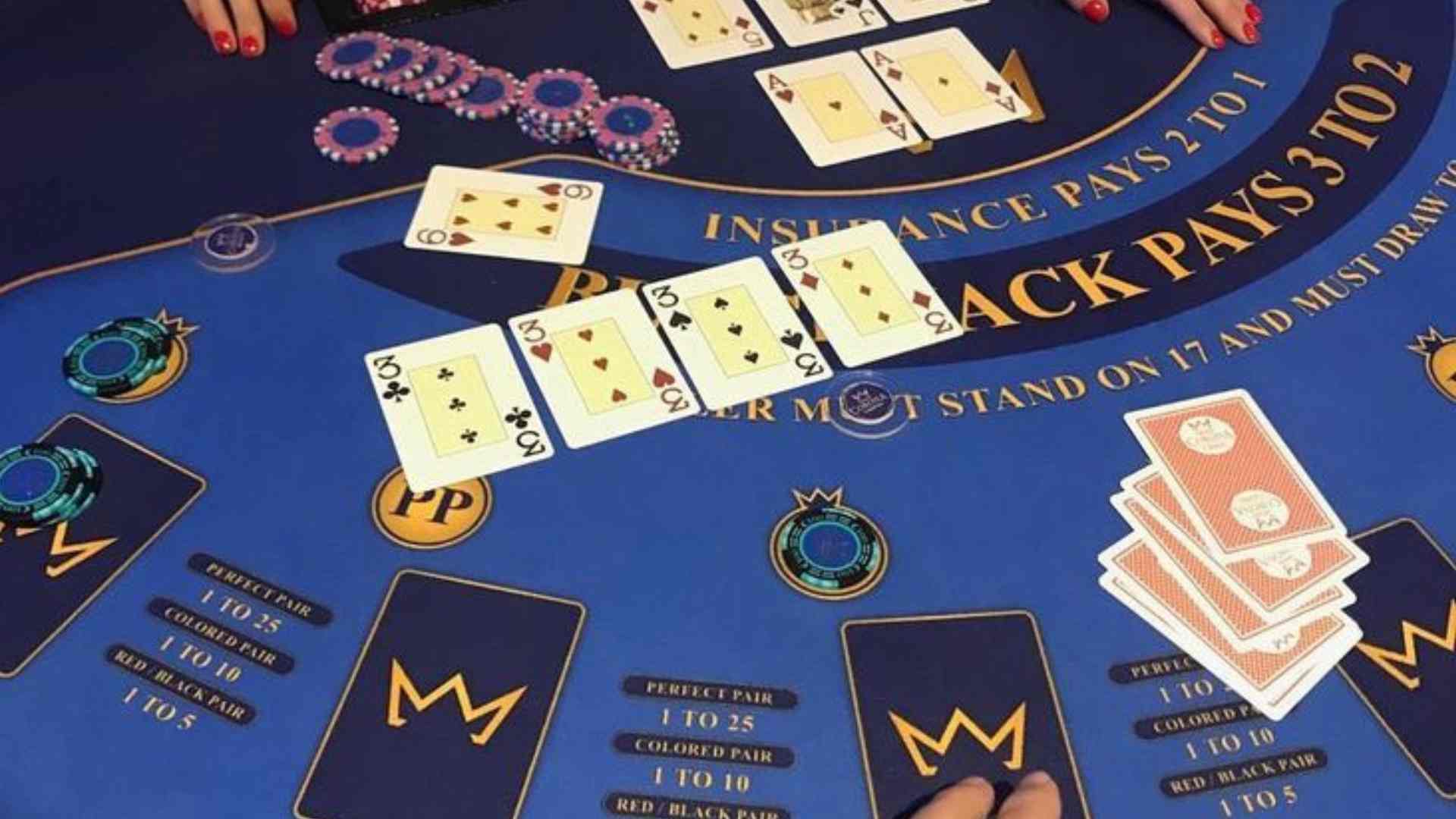
The modern tabletop gaming landscape has undergone a massive transformation, shifting focus from aggressive rivalries to shared tactical victories. Board games that encourage strategic collaboration require participants to unite their unique abilities against a common, pre-programmed mechanical opponent built into the system. This collective setup fosters deeper real-world interpersonal communication and collective problem-solving skills among friends and family members alike.
The Core Mechanics of Shared Planning
Successful collaborative games replace individual turns with joint planning phases where players must constantly negotiate their next moves. Instead of hoarding resources, participants are forced to look at the bigger picture and distribute assets where they are most critically required. This cooperative dynamic ensures that every voice at the tabletop carries equal weight in determining the final outcome of the session.
Furthermore, these designs frequently implement asymmetrical player roles, meaning each individual possesses a distinct superpower or limitation. Navigating these differences requires a high level of trust, open dialogue, and a willingness to compromise for the greater good. Ultimately, mastering these shared mechanics helps groups develop advanced planning habits that translate well into corporate teamwork and educational settings.
How Interactive Systems Enhance Group Harmony
Unlike traditional competitive setups that can leave some participants feeling isolated, collaborative tabletop activities keep everyone engaged from start to finish. Because a single mistake can impact the entire group, players naturally remain deeply invested during their peers' turns. This constant presence minimizes downtime and keeps the overall atmosphere highly interactive and lively.
For individuals looking to explore different digital avenues of shared entertainment and prediction, checking out trusted online hubs like M88 togel can offer a modern alternative. However, the physical presence of analog gaming provides an unmatched environment for developing high-level social bonding. Shared struggles against a challenging game engine build lasting memories that traditional individual pastimes simply cannot replicate.
Choosing the Right Difficulty for Your Group
When selecting a collaborative strategy game, it is essential to consider the complexity level and theme that best suits your gaming circle. Some titles feature high random volatility that demands immediate tactical adaptation, while others reward meticulous long-term forecasting. Finding the right balance ensures that your group remains challenged without feeling overwhelmed by convoluted rule systems.
Many modern publishers now include adjustable difficulty modifiers, allowing teams to scale the mechanical opposition as their skills improve. This flexibility significantly increases the lifetime replay value of a single box, offering fresh tactical hurdles for multiple sessions. Gradually overcoming these tougher scenarios fosters a strong sense of collective achievement and deep satisfaction.
Building Essential Cognitive Skills Through Play
Engaging regularly in heavy cooperative gaming serves as an excellent mental gym for refining critical thinking and risk assessment capabilities. Players must weigh the long-term consequences of every shared action, balancing immediate defensive requirements against ultimate victory conditions. This continuous cognitive exercise sharpens analytical minds while encouraging a natural habit of lateral problem-solving.
In addition, these interactive experiences provide a safe, low-stakes environment for groups to experiment with diverse managerial styles. Teams can analyze their collective failures without real-world consequences, treating each defeat as a valuable learning opportunity. Over time, this constructive loop builds resilient mindsets that approach complex societal challenges with confidence and structural organization.