The contemporary casino floor presents baccarat as a streamlined game of pure chance where players choose between static betting positions. However, historical documentation reveals that the classic card game once featured intense player-versus-player interactions and shared financial accountability. Exploring these hidden transitions provides key insights into how a dynamic social ritual evolved into today's automated casino variant.
The Multi Player Architecture of Early Gaming Salons
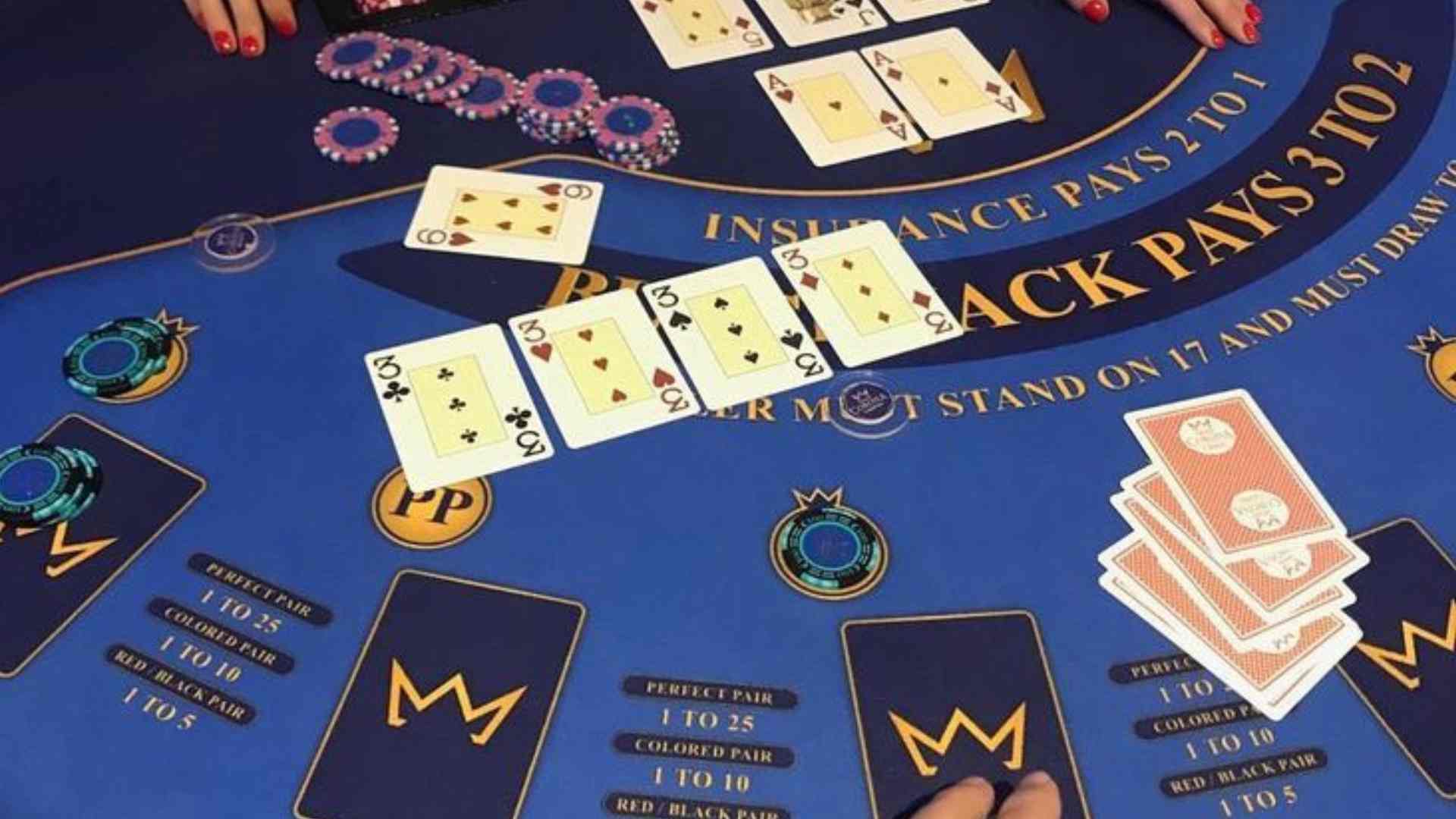
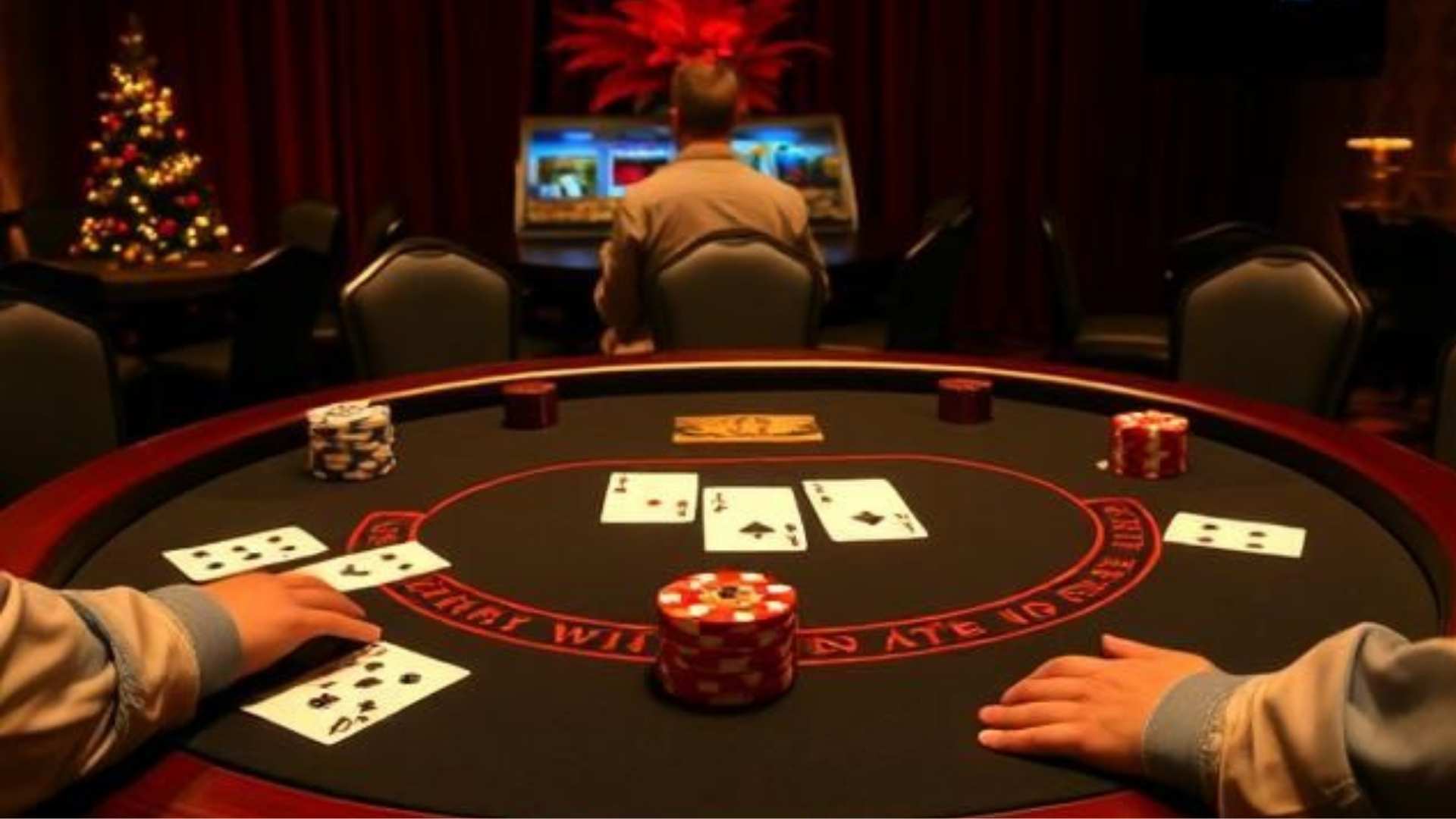
Before the rise of standardized corporate layouts, traditional baccarat tables were massive wooden structures divided into two distinct wings known as tableaus. A permanent house dealer sat in the center to distribute cards, while participants on the left and right sides actively competed against each other. This spatial arrangement allowed a large group of enthusiasts to engage simultaneously in a single round, creating a vibrant spectator atmosphere.
This multi-sided format meant that every participant bore a collective responsibility for the outcome of their designated wing. The physical layout naturally fostered structural camaraderie and localized tension among players sitting on the same side. Understanding this spatial history highlights how much the mechanical flow of the table has changed over generations.
The Shared Risk of Player Managed Banking
In early European card rooms, holding the bank was an active operational duty rather than a permanent asset managed by the venue. Wealthy participants would take turns funding the bankroll from their personal capital to cover all opposing wagers made around the room. This decentralized structure transformed the psychological dynamic, turning a passive prediction game into a profound strategic commitment.
Because the central banker personally absorbed all financial exposure, they had to carefully evaluate the collective confidence of the table. Enthusiasts tracking these traditional strategic trends often visit historical repositories or analyze platform updates at keonhacai.com m88 to understand modern variants. This participatory framework ensured that personal reputation and direct financial accountability remained central to the entertainment experience.
True Player Agency and Flexible Drawing Guidelines
Traditional variations like Baccarat Banque granted individuals genuine tactical choices rather than relying entirely on mandatory house rules. Active participants could freely decide whether to draw a third card based on their observation of opponents and psychological tells. This operational freedom allowed seasoned thinkers to employ complex bluffs and calculate real-time probabilities during live play.
The inclusion of fluid decision-making meant that human error and strategic intuition directly altered the trajectory of each round. This direct engagement elevated the card game into a sophisticated social contest where players actively outmaneuvered each other. As automated systems standardized the industry, these flexible mechanics gradually vanished from mainstream casino environments.
The Preservation of Classic European Custom Variations
The cultural legacy of historic gaming houses continues to influence how modern developers design digital table games. While contemporary platforms prioritize transactional velocity and convenience, recognizing historical formats helps maintain an authentic atmosphere. Studying these older customized rules provides players with a more complete perspective on global table evolution.
Ultimately, uncovering this forgotten chapter reminds card enthusiasts that baccarat was originally built around human interaction and mutual risk. This blend of mathematical structure and social history explains why the game preserves its prestigious reputation across different eras. By appreciating these ancient custom traditions, players gain a deeper understanding of the sophisticated roots of modern gaming culture.